

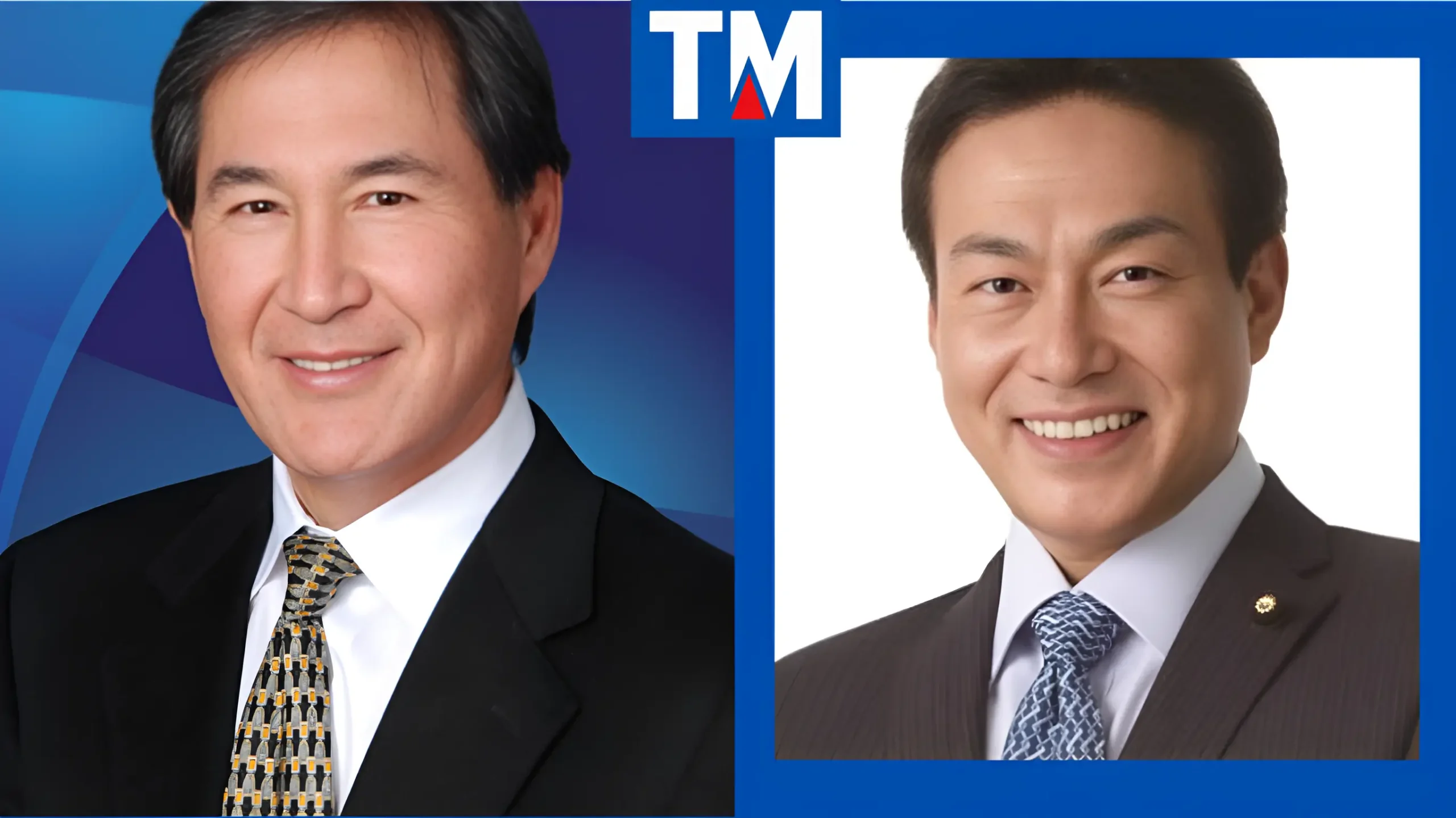
When people look for Ron Fujikawa they often find his name because of his family ties to the musician Danny Fujikawa and the actress Kate Hudson. This connection has made many people curious about a man who mostly lived a life away from the cameras.. If we only look at Ron Fujikawa as a relative of famous people we miss so much of what made his life special. He was an attorney, a loving father, an athlete and a supporter of schools. His life showed a sense of hard work big goals and deep love for his family and community.
The story of Ron Fujikawa is interesting because it shows different parts of American life. His childhood was built on family, school and sports. His working years were all about law and leading others. Later in life his legacy was about the people he raised and the places he helped. Even though his name shows up now because of his Hollywood family his own wins were all his own.
To truly know Ron Fujikawa we have to look past the celebrity news. His life tells a story about building a career staying close to family helping with education and leaving a mark that will last for a long time.
Who Was Ron Fujikawa?
Ron Fujikawa was a lawyer who lived much of his life in California. He was born on April 6 1948 in Mount Vernon, Missouri. He grew up in Long Beach, California. His life was a mix of grades, sports, family values and a strong sense of duty.
From an age Ron Fujikawa knew how to do many things at once. He played sports while also taking part in school leadership. Football and baseball were parts of his youth but he did more than just play games. He was involved in student activities, which showed he wanted to lead and help others.
He kept this drive going as an adult. Ron Fujikawa went to college at Stanford University. Then went to Stanford Law School. His work took him into the world of Los Angeles. He worked at law firms and even helped start his own practice.
When he was not working he stayed involved with schools and local groups. Family was the heart of his life. He raised three sons. Built relationships that eventually linked his family to the famous world of entertainment.
People are interested in him today because of his family history. The life of Ron Fujikawa is important on its own. It shows how a professional can do things without needing to be in the spotlight.
Early Life and Family Background
Ron Fujikawa was born into a family that cared a lot about school and success. His father, Dr. Yoshihiko Fred Fujikawa was a surgeon and his mother, Alice Mae Aoki loved music and culture.
He was one of three kids growing up with his brother Denny and his sister Carol. Even though he was born in Missouri he spent most of his growing years in Long Beach, California. That place helped shape who he became.
Growing up in a home filled with creative people can change a person. For Ron Fujikawa school was not something he had to do. It was a path he chose for his life.
His family also gave him a link to his American roots. He carried his culture with him as he moved through his education and career. His story shows how a person can hold onto parts of who they are at the same time.
His early years also seemed to teach him how to be independent. Of just doing what his father did Ron Fujikawa chose to build his own path in law. This helped him create an identity based on his dreams and skills.
Ron Fujikawa and His School Years
The high school years were a part of how Ron Fujikawa grew up. At Wilson High School in Long Beach he was busy with sports and student leadership.
He played football and baseball which take both strength and a sharp mind. More than that he was a leader on his teams. Being a captain is not about being good at a sport. It is about talking to people being someone they can count on and helping others do their best.
He also took part in student government. This showed that Ron Fujikawa was not an athlete. He wanted to be part of his school and take on roles that required being organized and good at talking to people.
These early years taught him things that would help him later as a lawyer.
A good lawyer needs to:
- Listen closely before making a choice.
- Explain ideas in a way that is easy to understand.
- Work well with all kinds of people.
- Stay organized when things get busy.
- Take responsibility for decisions.
- Build trust with the people they help.
- Lead others without needing to show off.
The chances to lead that Ron Fujikawa had as a man helped him build these habits.
His Stanford Years
After school Ron Fujikawa went to Stanford University. In college he balanced his studies with sports, playing football and baseball at a level.
Being a college athlete is hard. You have to manage practice, games, travel, classes and your own life. It takes a lot of discipline to do all that.
For Ron Fujikawa this time was a step toward the life he would build later.
Stanford also gave him a chance to meet people and learn new things. Moving from school to a big university often changes how a person sees their future. It turns dreams into real plans.
Ron Fujikawa eventually chose the path of law which led him to Stanford Law School.
His journey through school was not about sitting in a classroom. It included years of sports, leadership and learning about himself. This helped him become a rounded person.
Why Law Became a Part of His Life
Law requires a person to think deeply talk well be patient and use good judgment. For Ron Fujikawa being a lawyer was a way to use the skills he had been building for years.
After he finished law school he started working in Los Angeles. One of his big jobs was at Gibson, Dunn, a major firm that handled very hard legal cases.
For Ron Fujikawa this was the start of a career.. He did not want to just work for someone else forever. On he helped start a law firm of his own.
Starting a business is very different from being an employee. You have to make choices about clients, coworkers and where the firm is going.
His work with Kinsella, Bosch, Fujikawa and Towle showed that he had a business mind.
The name of that firm shows how much Ron Fujikawa was part of making it happen. He did not just hold a job; he helped build something.
Ron Fujikawas Legal Career
The legal career of Ron Fujikawa lasted for years and was a huge part of who he was.
He worked on different types of business matters and earned a good name for himself in Los Angeles. Law is a job because the choices a lawyer makes can affect many people.
A lawyer builds their name slowly. It takes years of being steady being prepared and building relationships.
The career of Ron Fujikawa shows this. He worked at firms helped start a firm and later became a partner at Greenberg Glusker.
Becoming a partner at Greenberg Glusker was a moment. By then Ron Fujikawa had a lot of experience. Had shown he could work at the highest level.
You can see his career in these steps:
- Learning the basics – getting the education needed for law.
- Starting out – entering the world in Los Angeles.
- Building a business – helping to create his firm.
- Leading at a level – becoming a partner at a respected firm.
- Helping the community – using his skills to help schools and groups.
This shows why we cannot just talk about his family when we talk about him. His own work was very important.
A Career Built on More Than a Job
It is easy to look at a person and only see their job title.. Calling Ron Fujikawa just a lawyer does not tell his whole story.
A career in law is a journey of learning. Laws change, businesses change and lawyers have to keep up.
Ron Fujikawa worked through years of big changes in the business world. To stay successful for that long you need more than book smarts. You need to understand people.
That human part is so important.
At the end of the day law is, about people, deals, arguments and big decisions. A great lawyer has to understand how all those things work together.
The way Fujikawa kept a career going while still being there for his family and his neighbors shows he really cared about balance. He did not let one part of life take over everything else.
Ron Fujikawa and His Connection to Education
Education was something Fujikawa cared deeply even long after he finished his own schooling.
He spent time working with school groups. Took on leadership roles in places of learning. This work with schools showed how much he wanted to give his time and his wisdom to people.
This part of his life feels very special because it shows a kind of success that people often forget to notice.
Most people measure success by job titles raises or how money someone makes.. Helping a community is much harder to measure. It usually means volunteering helping others learn sitting on boards going to meetings and supporting programs that help people he might not even meet in person.
Fujikawas work in education shows he knew how important it was to open doors for students.
His bond with schools also felt like a step for him. Education changed his life taking him from Long Beach to Stanford and then into the world of law. By helping schools he was giving back to the system that helped shape his own path.
Leadership Beyond the Legal Profession
Leadership was a part of Fujikawas life for a long time.
It started back in his school days through sports and clubs. It stayed with him through his job. Later showed up in how he helped his community and schools.
Good leadership is not always loud. Some leaders want everyone to see them. Others lead by being steady being prepared and building real relationships.
Fujikawa seemed to be the kind of leader.
His leadership was about showing up for institutions helping schools doing his work and keeping in touch with people. These things do not always make the news. They leave a lasting mark on the people they touch.
That is why his life is still interesting to read about today. It gives us a way to look at what a good legacy can be.
Ron Fujikawa as a Father
with all his work success family was one of the most important things to Fujikawa.
He married Melissa Linehan in 1980. They had three sons: Michael, Daniel and Braden. Daniel became known as Danny Fujikawa.
Being a father is a kind of job than being a leader at work. A career is about what you finish. Being a parent is about the small moments like giving advice being patient and just being there.
We do not know much about the side of how Fujikawa raised his children and it is right to respect that privacy. Still the way his family stays connected is a part of his legacy.
His children carried on the family name and his youngest son eventually found work in the arts and became part of the entertainment world.
Because of that people started looking to learn more about Dannys family.
It is important to look at both sides of this. Danny Fujikawa made his name in the world but Ron Fujikawas life helps explain where that family history comes from.
Danny Fujikawa and His Fathers Legacy
Danny Fujikawa is a musician and a public figure. His relationship with Kate Hudson has made many people curious about him.
Because of this many people search for Danny. End up learning about his family, including his father, Ron Fujikawa.
This is a reason why people still look for information on Ron Fujikawa today.
The link is about more than just being a celebritys father. Family influence moves through generations through values, names and old stories.
The younger generation might not do the same job as their parents but they still carry parts of who their parents were.
Ron built a life in law. Helping his community. Danny chose music and the entertainment world. Their jobs were very different. Their family history connects them.
It is worth noting that a child does not have to do the career as their parent to honor them. A parent can guide a child through values of through a job.
The Meaning Behind the Name Rani Rose
Another reason people talk about the Fujikawa family is the name of the daughter belonging to Danny Fujikawa and Kate Hudson named Rani Rose.
The name Rani has been linked to Ron Fujikawa, which creates a line from a new baby to the head of the family.
Naming a child after someone you love is a way to remember them. It helps a family keep a name and the feelings that go with it alive.
In this case keeping the Fujikawa name going is more than a family tree detail. It is about memory.
A person who is gone can still be part of the family through stories, photos and names. This is one of the ways to leave a legacy because it does not need fame to work.
A name can be a way to remember where a family started.
Ron Fujikawa and His Japanese-American Heritage
His familys culture was another part of the story of Fujikawa.
His fathers side connected him to American history while growing up in California made him part of the broader American culture.
American families have had a very complex history in the United States and every persons story is different. Fujikawas life is an example of someone whose heritage lived alongside a standard American path in school and work.
He did not have to be one thing.
He could be a professional in California a member of a American family an athlete, a lawyer, a father and a helper in his town all at once.
That is one of the things about reading about people. Most people are not one single thing.
The Importance of Family Heritage
Family history often becomes more important when the younger generations start asking where they came from.
For kids and grandkids knowing their roots can help them feel like themselves. It can also make them thankful for what their ancestors did. The hard work they put in.
In the Fujikawa family there are layers to look at from Japanese roots and American school to professional success and family traditions.
The life of Ron Fujikawa shows how heritage can stay with you without being the thing people see when they think of you.
His work, his family and his helping out in the community were all part of the life.
His Relationship With Community
Helping the community was another part of the legacy of Fujikawa.
People who give their time to schools and local groups often help people than they realize. Their work might not be written down in books. It touches students, families and neighbors.
The way Fujikawa helped schools shows this kind of commitment.
There is a difference between being famous and making an impact.
Fame is easy to see.
Impact is often quiet.
A famous person might be known by millions of people who do not know them all.. A community leader might be known by a small group of people who were deeply changed by them.
The story of Fujikawa fits into that group.
Ron Fujikawa and the Value of Giving Back
You do not have to do something to give back. You can just give your time share what you know or help an organization run better.
Since he knew about law and education serving on school boards let him use his brain to help schools make choices.
This kind of work connects what a person knows with a sense of duty to others.
The life of Fujikawa shows how a successful person can use what they have learned to help more than their own business.
The idea is simple: success means more when it helps people too.
His Love of Sports
Sports were always important to Fujikawa even after he left school and university.
Football and baseball were a part of his youth and he later enjoyed playing golf.
Sports often stay with a person long after they stop playing for a trophy. They offer fun, friendship and a way to stay sharp.
Since he grew up playing football and baseball golf was a way for him to stay active and meet people.
Sports might have also helped him in his job by teaching him patience, focus and how to work with a team.
A job and a sport might seem like worlds but the same traits can help you win in both.
The Final Years of Ron Fujikawas Life
Ron Fujikawa passed away in October 2012 at the age of 64.
His death ended a life filled with work, family, sports, school and helping his neighbors.
For the people who actually knew him his death was much more than a fact in a book. It was the loss of a father, a friend, a coworker and a neighbor.
A biography can give you dates and job titles. It cannot tell you what a person truly meant to those who loved them.
That is a thing to remember when talking about someone who lived most of his life away from the cameras.
The important parts of a life are often the private moments that never make it onto the internet.
Remembering Ron Fujikawa After His Death
When someone passes away the way we see them often changes.
While they are alive we focus on what they’re doing right now. After they are gone we look at what they left
In the case of Fujikawa many parts of his legacy are still here.
His career shows what he achieved.
His work, with schools shows how he served others.
His sports life shows his energy and discipline.
His family shows how life continues.
His culture shows his roots.
All these pieces together make a better picture than any single news story ever could.
Why Ron Fujikawa Continues to Attract Search Interest
The internet has changed how we find out about peoples pasts.
Someone who lived a quiet life can suddenly have thousands of people searching for them. This happens when a child becomes famous a family event hits the news or a name shows up in a magazine.
That is one reason why people still want to know about Ron Fujikawa.
When people look up Danny Fujikawa or his link to Kate Hudson they often get curious about the parents of Danny. They might want to know who Ron Fujikawa was, what he did for work, where he lived and what his life was like.
The hard part is that when people search for celebrities they sometimes turn people into simple labels.
Ron Fujikawa was not just “the father of Danny Fujikawa.”
Ron Fujikawa was his person with his own schooling, job, hobbies, friends and things he did for others.
It is very important to remember this when we write about someone who became known because of their family.
What Makes His Story Different?
A lot of biographies only care about fame.
The story of Ron Fujikawa is different. His importance came from the parts of life that he did with great care every day.
He went to school.
He played sports.
He built a career.
He made friends.
He raised his children.
He helped schools.
He was part of his community.
He kept up with hobbies and friends.
None of these things make a person a celebrity. They all come together to make a good and meaningful life.
That might be the lesson we can learn from Ron Fujikawa.
A person does not have to be famous for their name to matter.
Lessons From Ron Fujikawas Life
Even though everyone lives differently we can learn a things from the journey of Ron Fujikawa.
1. Education Can Lead to Great Things
The schooling of Ron Fujikawa helped him start his career in law. School does not promise success. It gives you skills and discipline that stay with you forever.
2. Leadership Starts
The way Ron Fujikawa was involved in school leadership and sports shows that leadership grows through small jobs. Young people often find leadership by joining teams or local groups.
3. Success Takes Time
The legal career of Ron Fujikawa grew over years. It did not happen overnight. His story shows that it is important to build experience
4. Family Is Part of What You Leave Behind
Work wins can be put on a resume. The influence of a family lasts for many years.
5. Helping the Community Matters
Helping schools and local groups can make a difference that lasts longer than a job title.
6. You Can Have a Life Privately
Not everyone wants to be in the spotlight. A person can do things while still keeping a private life.
A Balanced View of His Legacy
A biography should not make a person look like a perfect hero or just a link to a celebrity.
The life of Ron Fujikawa is best seen as a mix of work, friends, duties and hobbies.
His law career was a part of him but it was not everything.
His family was important. He was more than just a father.
His culture was a part of him. It was not his whole story.
His sports background mattered,. It did not define his whole adult life.
Looking at him this way gives us a sense of who he was.
Ron Fujikawas Broader Significance
The fact that people still care about Ron Fujikawa shows that we are curious about the people behind faces.
We often want to know what made people the way they are. Parents, teachers and mentors all help shape the generation.
For Danny Fujikawa learning about his father helps us understand his family history better.
There is another reason these stories matter.
They remind us that every famous person comes from somewhere.
Behind every actor, athlete or business owner there are often parents who worked hard taught lessons and gave support.
This does not mean parents are the reason children succeed. People make their choices.. A good family can give a strong start.
What Can We Learn From His Journey?
The work life of Ron Fujikawa is an example for anyone wanting to build a long career.
He did not just rely on one win. Instead he kept moving from school to his job and eventually to leadership roles.
A steady career usually needs these things:
- A good education
- A desire to keep learning
- Discipline at work
- Making connections
- Being able to change with the times
- Leadership
- Patience
- Being responsible
- Thinking about the term
These traits help in any job.
It does not matter if you work in medicine, tech, business or law. To grow you need to be good at what you do and stay consistent.
Why His Community Work Matters
It is easy to forget about community work because it does not always bring in money.
Helping schools and groups is one of the best ways to give back.
Schools shape the future. By helping them a person leaves a mark that lasts.
A person on a school board might help students they will never even meet.
That is a thought.
It means you can change things even if your name is not famous.
The Human Side of Biography
When writing about someone who has passed away it is hard to know the difference between facts and what people think.
Dates, schools and jobs give us the facts.. The feelings behind those facts belong to the people who knew them.
Because of this the best way to respect Ron Fujikawa is to look at the parts of his life instead of guessing his private thoughts.
We know he was a lawyer.
We know school and sports were big in his years.
We know he had a family.
We know he helped schools and local groups.
We know his name lives on through his children.
These facts tell a story without needing to pretend we know everything about his private life.
Frequently Asked Questions About Ron Fujikawa
Who was Ron Fujikawa?
Ron Fujikawa was a lawyer, father, athlete and community helper who worked in Los Angeles. He is also known as the father of Danny Fujikawa.
When was Ron Fujikawa born?
Ron Fujikawa was born on April 6 1948 in Mount Vernon, Missouri.
Where did Ron Fujikawa grow up?
Even though he was born in Missouri Ron Fujikawa spent much of his childhood in Long Beach, California. He went to Wilson High School
What did Ron Fujikawa do for a living?
Ron Fujikawa was a lawyer. He worked at law firms in Los Angeles. Was a partner at Greenberg Glusker.
Did Ron Fujikawa attend Stanford?
Yes. He went to Stanford University and Stanford Law School.
Was Ron Fujikawa an athlete?
Yes. Sports were a part of his youth. He played football and baseball. Later enjoyed playing golf.
Who were Ron Fujikawas children?
Ron Fujikawa had three sons: Michael, Daniel and Braden. Daniel is known as Danny Fujikawa.
How is Ron Fujikawa connected to Kate Hudson?
Ron Fujikawa was the father of Danny Fujikawa, who’s the partner of Kate Hudson. This connection is why many people look up his history.
Is Ron Fujikawa still alive?
No. Ron Fujikawa died in October 2012 at the age of 64.
What was Ron Fujikawas heritage?
Ron Fujikawa came from a American family. His father was Yoshihiko Fred Fujikawa and his mother was Alice Mae Aoki.
Did Ron Fujikawa work with schools?
Yes. He helped groups and held leadership roles in schools because he cared about education.
Why is Ron Fujikawa famous?
Ron Fujikawa was not an entertainer. People know him today because of his career and his family his son Danny Fujikawa and the link to Kate Hudson.
What is Ron Fujikawa remembered for?
He is remembered for his law career, his love of sports his family, his work with schools and his community life.
Final Thoughts on Ron Fujikawa
The story of Ron Fujikawa is really about a life that was much more than a link to a celebrity.
He was born in Missouri grew up in California loved sports, studied at Stanford and had a law career, in Los Angeles. While he worked hard he also took care of his family and his community.
His life shows that a legacy can look different ways.
Some people leave behind a company. Others leave behind a reputation. For parents a legacy might be the values they teach their kids. For others it is the groups they helped.
The legacy of Ron Fujikawa includes all of these.
His law work shows his skill. His school work shows his kindness. His sports history shows his grit. His family shows his heart. His culture adds depth to his story.
The fact that people still look for his name years after he died shows how a person can stay in our minds long after they are gone.
I think the best way to truly know Ron Fujikawa is not by looking at the famous people he knew. We should look at the life Ron Fujikawa built before his name became a topic for everyone to talk about.
Ron Fujikawa was a professional who worked in law for decades. Ron Fujikawa was also a father who raised three sons and a man who helped out in his community by giving time to schools. The influence of Ron Fujikawa lives on through his family.
That is a legacy that’s worth looking at by itself.
In the end the story of Ron Fujikawa is not about finding the man behind a famous family name. It is about seeing the value, in a life built on school, work, friends, duty and helping others. The journey of Ron Fujikawa shows us that a great legacy does not always start with being famous. Sometimes a legacy starts quietly through the choices a person makes every single day and the people that Ron Fujikawa touched along the way.
For More Visits: Today Magazine
Read More: https://todaymagazine.blog/lucie-arnaz/
